
A defining feature of Unitarian Universalist (UU) congregations is the belief that community is sacred. In the Greater Cincinnati area—First Unitarian, The Gathering at Northern Hills, Harmony, Heritage, Hopedale, and St. John’s—this commitment shows up in intentional, relational, and often deeply creative ways.
1. A Culture of Welcome and Belonging
Most UU congregations begin building community the moment someone walks through the door. Greeters, welcome tables, and informal hospitality teams help newcomers feel oriented without pressure. Because these congregations vary in size—from intimate communities like Hopedale to larger ones like First Unitarian—the tone shifts, but the goal is the same: creating a space where people feel seen.
Many congregations emphasize covenantal relationships rather than creedal agreement. This means belonging is based on how people treat one another, not what they believe. That ethos naturally fosters a sense of shared responsibility and mutual care.
2. Multigenerational Life
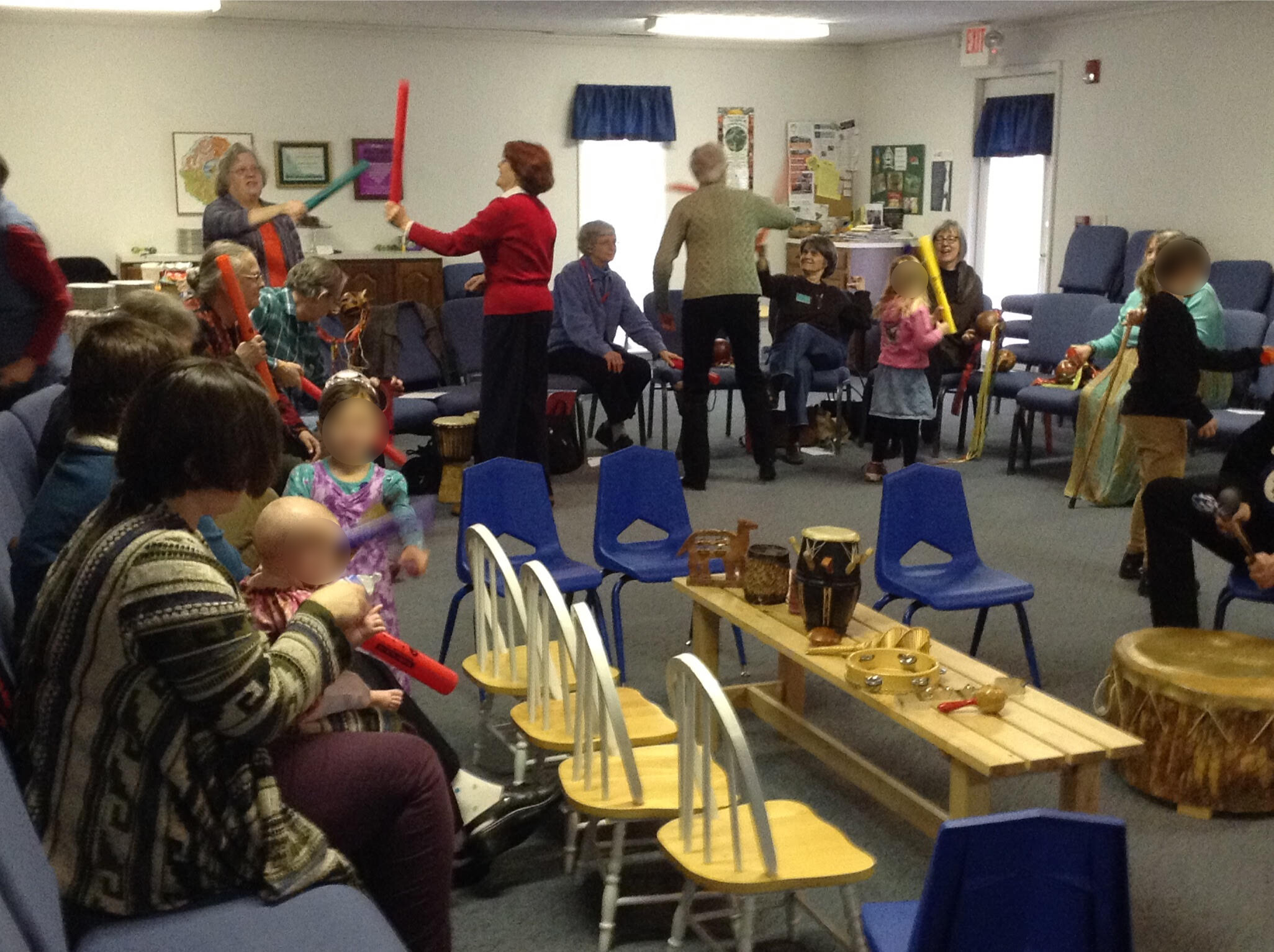
UU congregations tend to weave generations together rather than separating them. Children participate in the early part of worship, youth join adults in social‑justice projects, and elders share stories and wisdom. Congregations like Heritage and St. John’s often highlight multigenerational rituals—holiday services, bridging ceremonies, communal meals—that reinforce the idea that everyone, at every age, is part of the whole.
This multigenerational approach strengthens community by creating relationships that cross typical social boundaries.
3. Small Groups and Shared Ministry
Small‑group ministry is one of the most powerful community‑building tools in UU life. Whether called Chalice Circles, Covenant Groups, Soul Matters groups, or simply discussion circles, these gatherings offer structured time for deep listening, reflection, and connection. In congregations where Sunday attendance can feel large or diffuse, small groups create intimacy and trust.
Shared ministry—where lay members lead worship, organize programs, teach classes, and coordinate service projects—also strengthens community. People feel ownership of the congregation’s life, and leadership becomes distributed rather than hierarchical.
4. Social Justice as Community Practice
Many Cincinnati‑area UU congregations have strong commitments to justice work. The Gathering at Northern Hills, for example, has long been known for its activism, and First Unitarian frequently partners with local organizations. When members work together on issues like racial justice, lesbian, gay, bisexual, transgender, and queer (LGBTQ) inclusion, environmental stewardship, or food insecurity, they build bonds rooted in shared values and collective action.
Justice work becomes both outward‑facing service and inward‑facing community formation.
5. Rituals of Connection
UU congregations often include rituals that explicitly nurture community: Joys and Sorrows, milestone celebrations, memorial services, child dedications, and seasonal ceremonies. These moments allow people to share their lives—grief, gratitude, transition, hope—in a supportive environment.
Even simple weekly or monthly rituals, like coffee hour, “Second Hour” programs, or potlucks, become essential spaces where relationships deepen.
6. A Culture of Participation
Finally, these congregations cultivate community by inviting people to participate—not just attend. Whether someone joins a choir, volunteers in religious education, helps with hospitality, or serves on a committee, participation creates connection. UU communities thrive when people bring their gifts, interests, and curiosity into the shared life of the congregation.
Photo: UUs get ready for an intergenerational drum circle. Photo courtesy of Liz Woedl.
Return to the homepage. Return to UU Church Life.